

In navigating the complex landscape of casino marketing in Malaysia, the ethical considerations surrounding advertising practices, player targeting, and social responsibility come to the forefront. This article delves into the regulatory framework, loyalty programs, and the impact on vulnerable populations to shed light on the ethical dilemmas faced by the casino industry JM8.
By examining transparency and accountability in marketing strategies, we aim to foster a balanced discourse on the ethical implications of casino promotion in Malaysia.

Regulatory Framework in Malaysia
In establishing a comprehensive understanding of the ethical dimensions surrounding casino marketing in Malaysia, examining the regulatory framework is imperative https://www.jm8.asia/en-my. The legal landscape in Malaysia pertaining to gambling activities is primarily governed by the Common Gaming Houses Act 1953 and the Betting Act 1953. These laws outline the conditions under which gambling activities, including casino operations, are permitted within the country. Additionally, the Malaysian government has imposed strict regulations on the advertising and promotion of gambling services to protect individuals, particularly vulnerable populations, from the potential harms associated with excessive gambling.
Furthermore, the regulatory framework includes oversight from regulatory bodies such as the Malaysian Gaming Commission, which ensures that casino operators adhere to the stipulated guidelines and standards. This oversight aims to maintain integrity within the industry, protect consumers from fraudulent practices, and uphold the principles of responsible gambling. By scrutinizing the regulatory framework in Malaysia, stakeholders can gain insights into the ethical considerations that underpin casino marketing practices and contribute to fostering a transparent and accountable gambling industry.
Targeting Vulnerable Populations
Examination of the regulatory framework in Malaysia reveals the significant ethical concerns surrounding the deliberate targeting of vulnerable populations in casino marketing practices. Vulnerable populations, such as individuals with low income, gambling addictions, or mental health issues, are often the primary focus of casino marketing strategies in Malaysia. These individuals are specifically targeted due to their susceptibility to the allure of gambling and the potential for significant financial loss.
Casino marketing tactics often exploit vulnerabilities by offering false promises of wealth and success, creating a cycle of dependency and financial hardship for these individuals. By intentionally directing their marketing efforts towards vulnerable populations, casinos in Malaysia not only perpetuate social inequalities but also disregard the well-being of those most in need of protection.
To address this ethical issue, regulatory bodies must enforce stricter guidelines on casino marketing practices, ensuring that vulnerable populations are not exploited for financial gain. Additionally, public awareness campaigns highlighting the risks associated with gambling and providing support services for those affected are essential in protecting the vulnerable from the harmful effects of casino marketing in Malaysia.
Loyalty Programs and Player Retention
The utilization of loyalty programs and player retention strategies in Malaysian casino marketing further intensifies the ethical concerns surrounding the exploitation of vulnerable populations. By offering enticing rewards and incentives to frequent players, casinos create a sense of loyalty that can be particularly problematic for individuals with gambling addictions or financial vulnerabilities. These programs often employ sophisticated algorithms to track player behavior, encouraging continued spending and engagement through personalized offers and bonuses.
In the context of a society that values individual freedom and autonomy, the manipulation inherent in these retention tactics raises significant ethical questions. Players may feel trapped in a cycle of spending to maintain their status or reap promised rewards, even when it is financially detrimental to them. The line between genuine customer appreciation and predatory marketing practices becomes blurred, especially when vulnerable individuals are targeted.
As Malaysian casino marketing continues to evolve, regulators and industry stakeholders must carefully consider the impact of loyalty programs on player well-being and ensure that ethical standards are upheld in this competitive landscape.

Social Responsibility and Problem Gambling
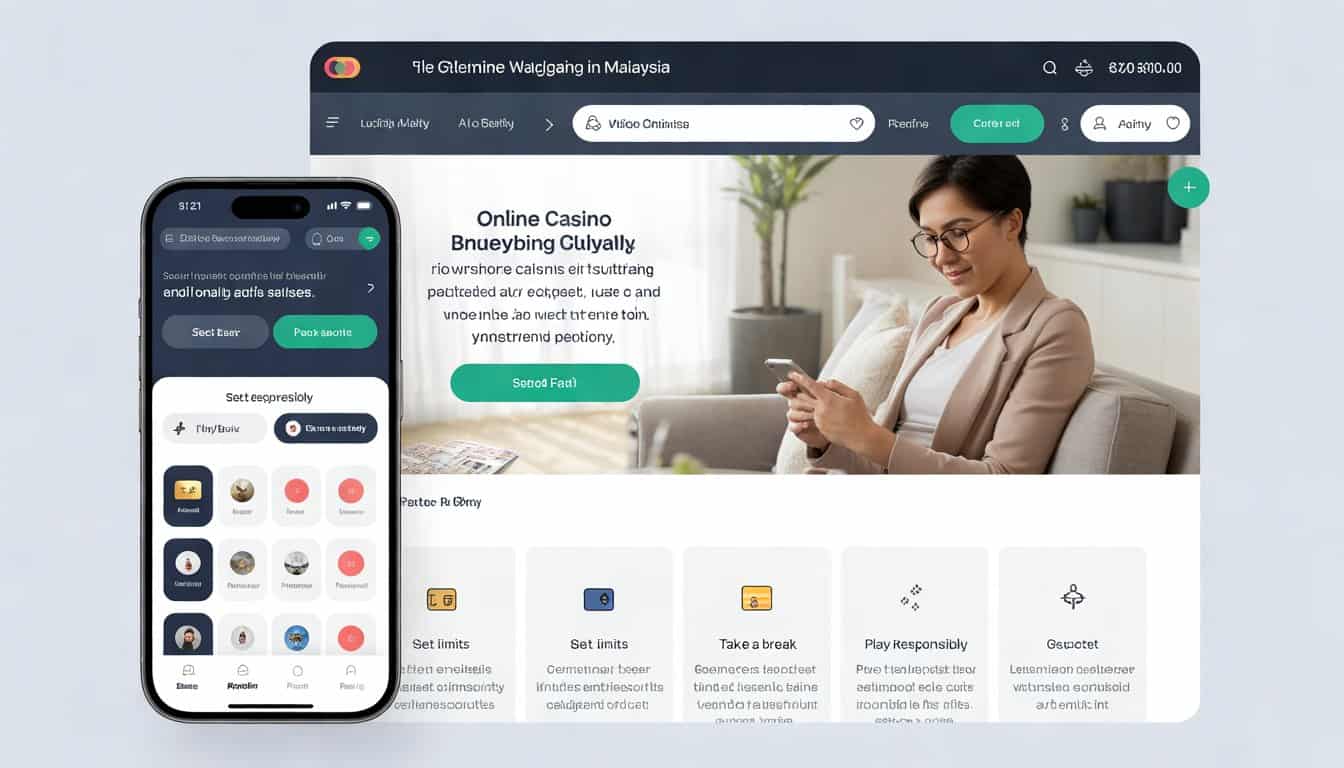
Transitioning from the challenges posed by loyalty programs and player retention, the ethical considerations surrounding Malaysian casino marketing are further heightened when examining social responsibility in addressing problem gambling. As casinos in Malaysia continue to market their services, it is imperative that they prioritize the well-being of their customers. Social responsibility entails implementing measures to prevent and mitigate problem gambling behaviors among patrons. This includes promoting responsible gaming practices, providing resources for individuals struggling with addiction, and offering support for those affected by problem gambling.
Transparency in Advertising Practices
Ensuring transparency in advertising practices is crucial for Malaysian casinos to uphold their social responsibility standards and maintain ethical integrity in their marketing strategies. Transparency in advertising involves providing accurate and truthful information to the public regarding casino offerings, promotions, and potential risks associated with gambling.
By being transparent in their advertising practices, Malaysian casinos can build trust with their customers and demonstrate a commitment to responsible gaming. This transparency should extend to the disclosure of terms and conditions, including wagering requirements, withdrawal limits, and any restrictions that may apply to promotions.
Moreover, transparent advertising helps to prevent misleading or deceptive marketing tactics that could potentially exploit vulnerable individuals or lead to problem gambling behaviors. Malaysian casinos should strive to provide clear and comprehensive information in their advertisements, ensuring that customers can make informed decisions about their gambling activities.
Conclusion
In conclusion, the ethics of casino marketing in Malaysia must adhere to the regulatory framework, avoid targeting vulnerable populations, prioritize social responsibility, and ensure transparency in advertising practices.
Loyalty programs should be implemented responsibly to prevent problem gambling and promote player retention.
It is crucial for casinos to prioritize ethical marketing practices to protect the well-being of individuals and uphold the integrity of the industry.






Leave a Reply